Peaks
Heavy load in the peak windows
Winders, pumping, ventilation and crushing run through the morning and evening peaks, when energy costs the most.
 AMPROTEQ
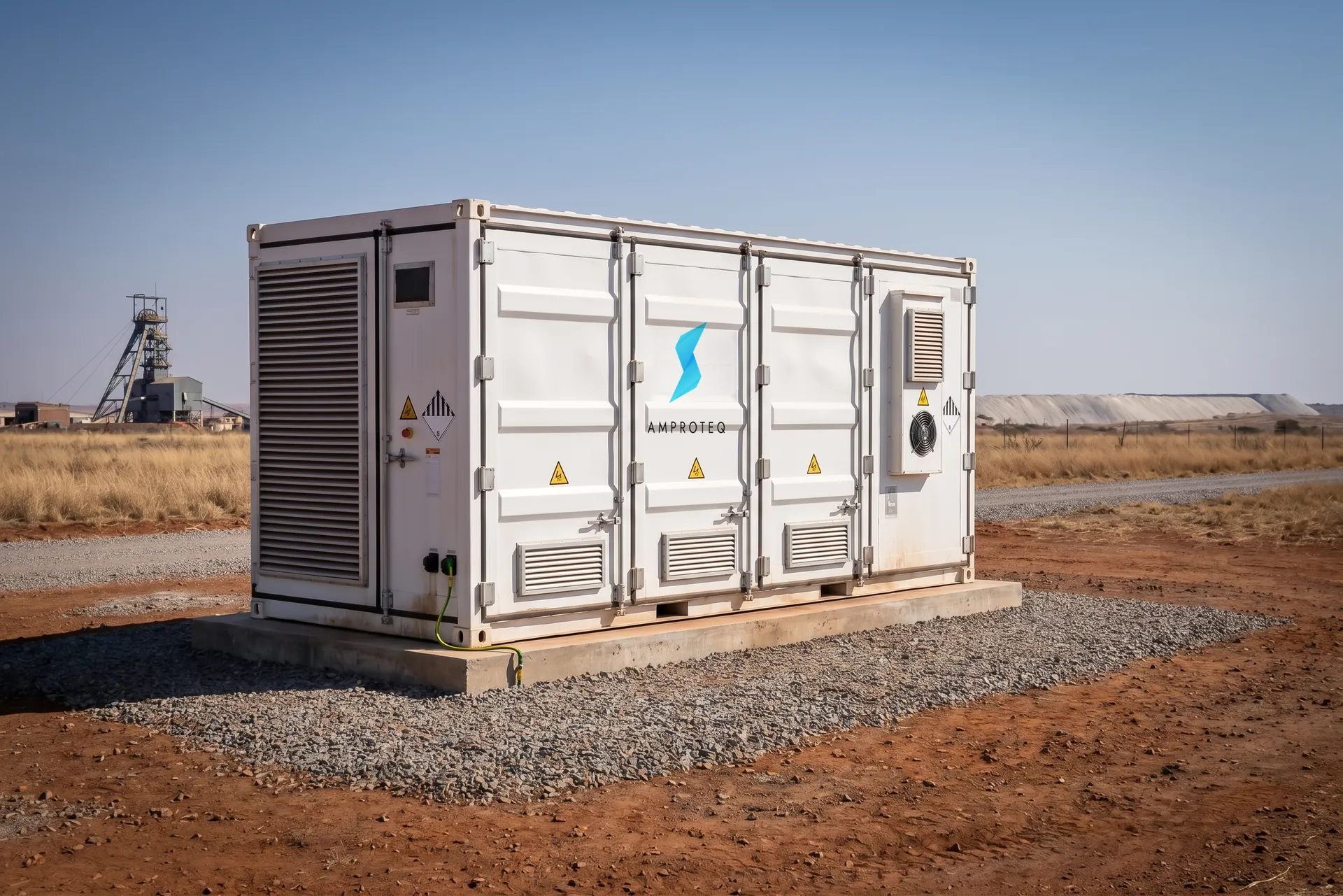
Mines carry some of the largest and least flexible loads on the network. Storage moves the expensive part of that load out of the peak windows, holds the demand ceiling and keeps ventilation and pumping alive when the network cannot.
Winders, pumping, ventilation and crushing run through the morning and evening peaks, when energy costs the most.
A single half-hour of high demand sets the demand charge, and repeated breaches force a higher NMD.
Load-shedding, curtailment requests and weak rural feeders stop production and push sites onto diesel.
| Systems | A500 or A625 blocks, paralleled |
| Connection | 11, 22 or 33 kV through a factory-tested MV skid |
| Duration | 2 or 4 hours, set by the peak energy to be carried |
| Environment | IP55 enclosures, C5 corrosion class, liquid cooling, −30 to +55 °C |
| Commercial model | PPA where capital is committed to the mine plan; purchase or hybrid otherwise |
Every configuration is sized from the site's own interval data and tariff; this is a starting point, not a quote.
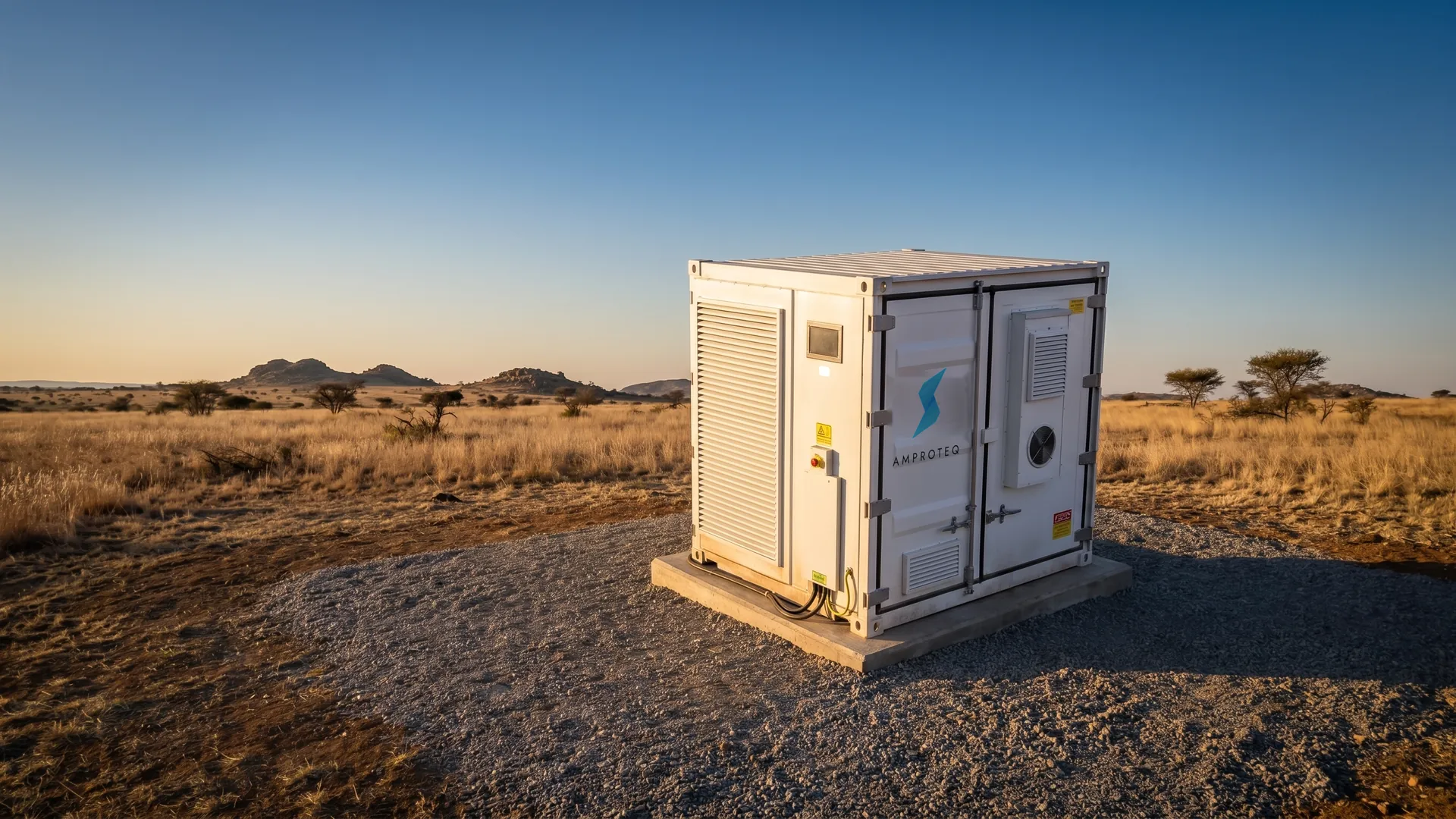 Peak shiftingShift load out of Eskom Megaflex and Miniflex peak windows.Read more →
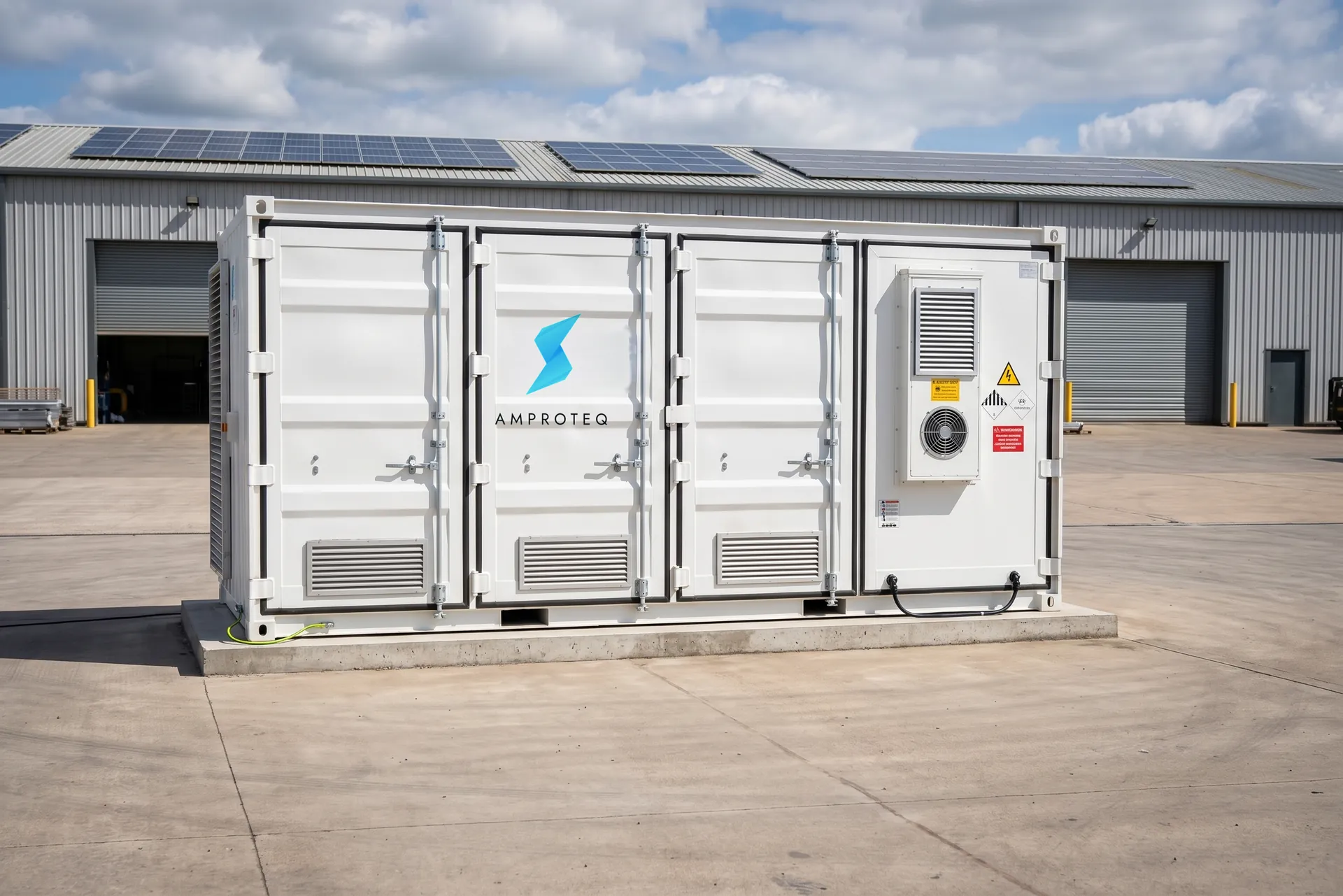 NMD reductionUse battery storage to hold demand under your notified maximum demand, avoid excess-demand charges and lower NMD at renewal on large-power-user tariffs..Read more →Diesel displacementCut generator run hours and fuel.Read more →
Twelve months of interval data, your tariff schedule and your notified maximum demand are enough for a first sizing, an indicative capex and a PPA rate, within five working days, at no cost.