Uptime
Every outage is a generator start
Each network event leans on the UPS and the gensets, with fuel, wear and start-up risk.
 AMPROTEQ
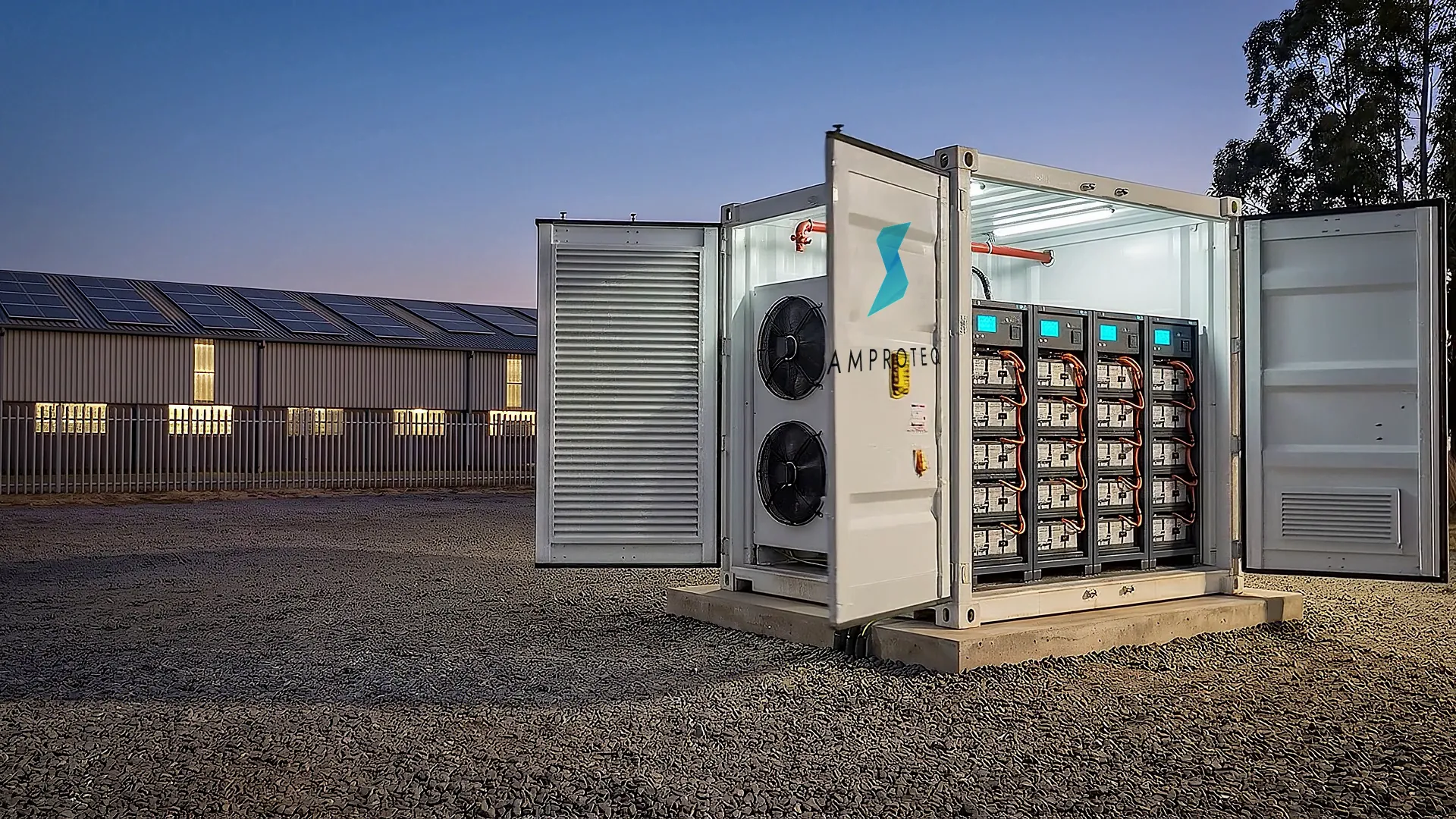
Uptime is the product. Storage adds a resilience layer between the UPS and the generators, cuts genset run hours and lowers the demand charge on a load that never sleeps.
Each network event leans on the UPS and the gensets, with fuel, wear and start-up risk.
Constant load leaves less room for tariff arbitrage, so the value sits in resilience and the demand charge.
New racks push demand towards the connection limit before the utility can upgrade it.
| Systems | A200 to A500, often N+1 |
| Connection | MV through a skid, or 400 V on smaller sites |
| Duration | 2 to 4 hours, set by the resilience target |
| Pairs with | Existing UPS and generators, PV |
| Commercial model | PPA or purchase |
Every configuration is sized from the site's own interval data and tariff; this is a starting point, not a quote.
 Backup & islandingKeep critical loads running through load-shedding and network faults.Read more →
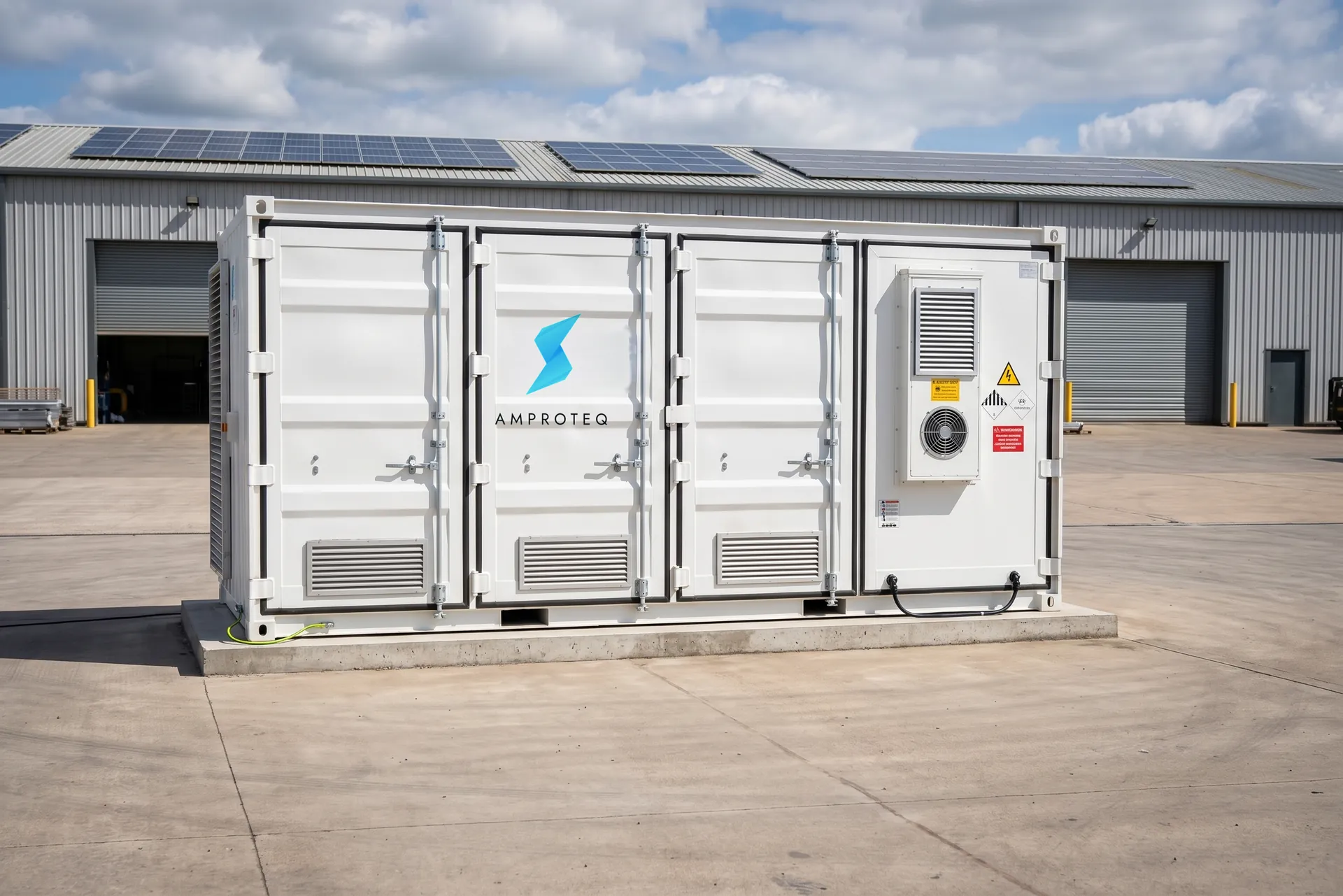 NMD reductionUse battery storage to hold demand under your notified maximum demand, avoid excess-demand charges and lower NMD at renewal on large-power-user tariffs..Read more →
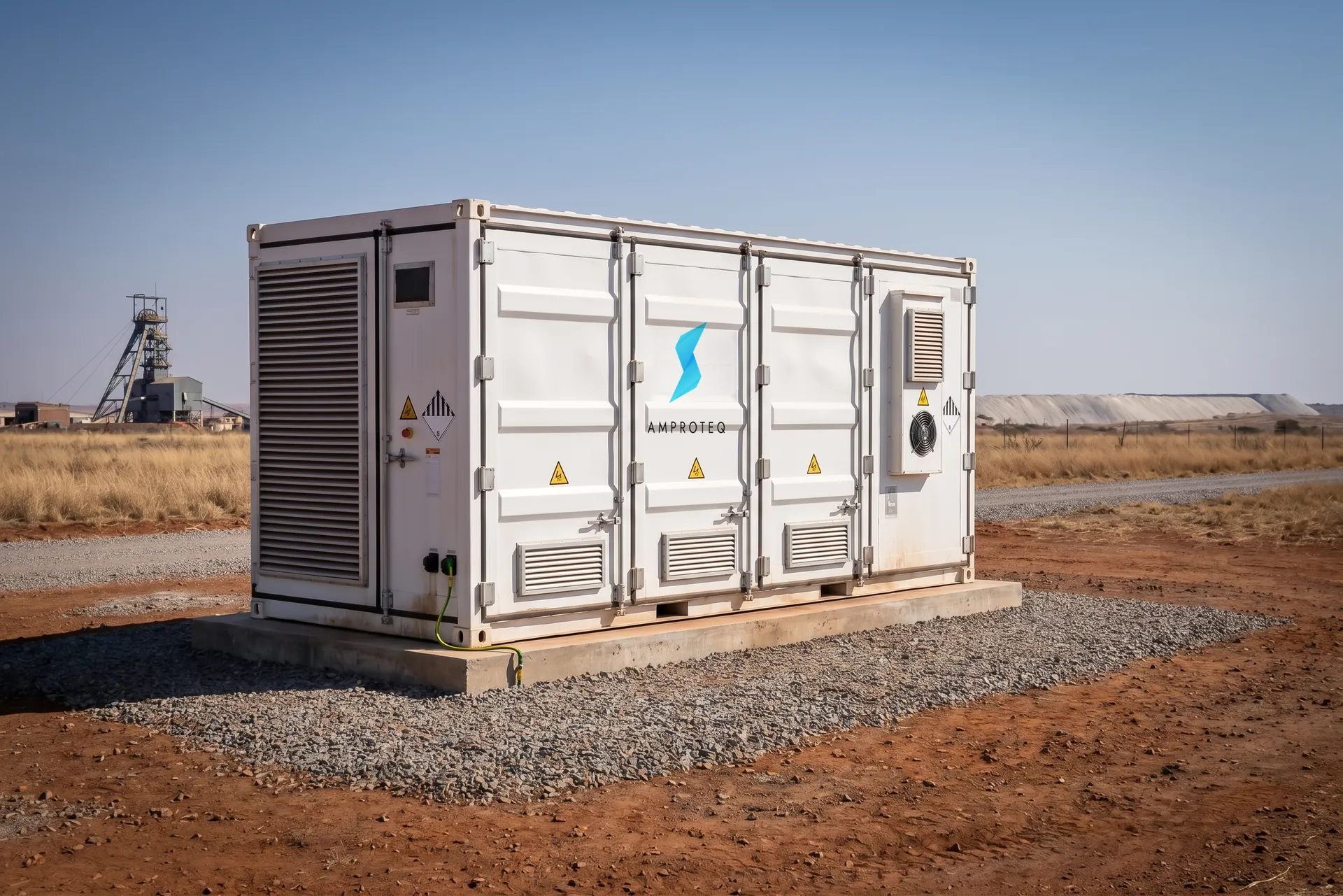 Diesel displacementCut generator run hours and fuel.Read more →
Twelve months of interval data, your tariff schedule and your notified maximum demand are enough for a first sizing, an indicative capex and a PPA rate, within five working days, at no cost.