Tenants
Outages cost tenants trade
Load-shedding and network faults close shops and empty offices, and tenants notice which buildings stay open.
 AMPROTEQ
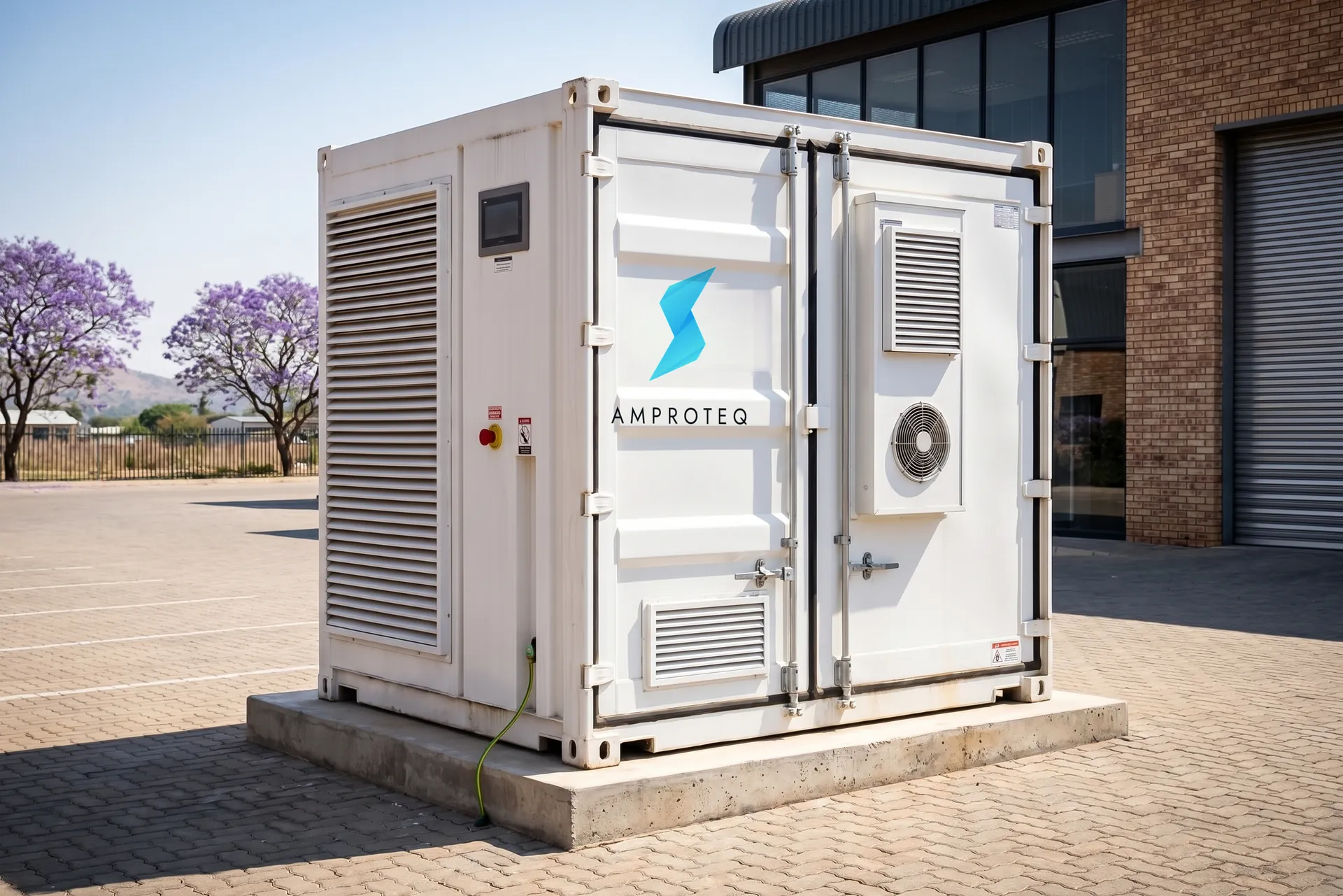
Tenants judge a building by whether the lights stay on. Storage keeps common areas and anchor tenants running, makes rooftop solar worth more and takes the edge off the demand charge.
Load-shedding and network faults close shops and empty offices, and tenants notice which buildings stay open.
Export limits and low feed-in credits mean surplus solar is curtailed or sold cheaply.
Municipal tariffs charge for peak energy and maximum demand, and recover them from tenants.
| Systems | A100 blocks in 1 MWh steps, or an A200 |
| Connection | 400 V, three-phase |
| Duration | 2 or 4 hours |
| Pairs with | Rooftop PV, existing gensets |
| Commercial model | PPA, so the landlord carries no capex and recovers the energy cost |
Every configuration is sized from the site's own interval data and tariff; this is a starting point, not a quote.
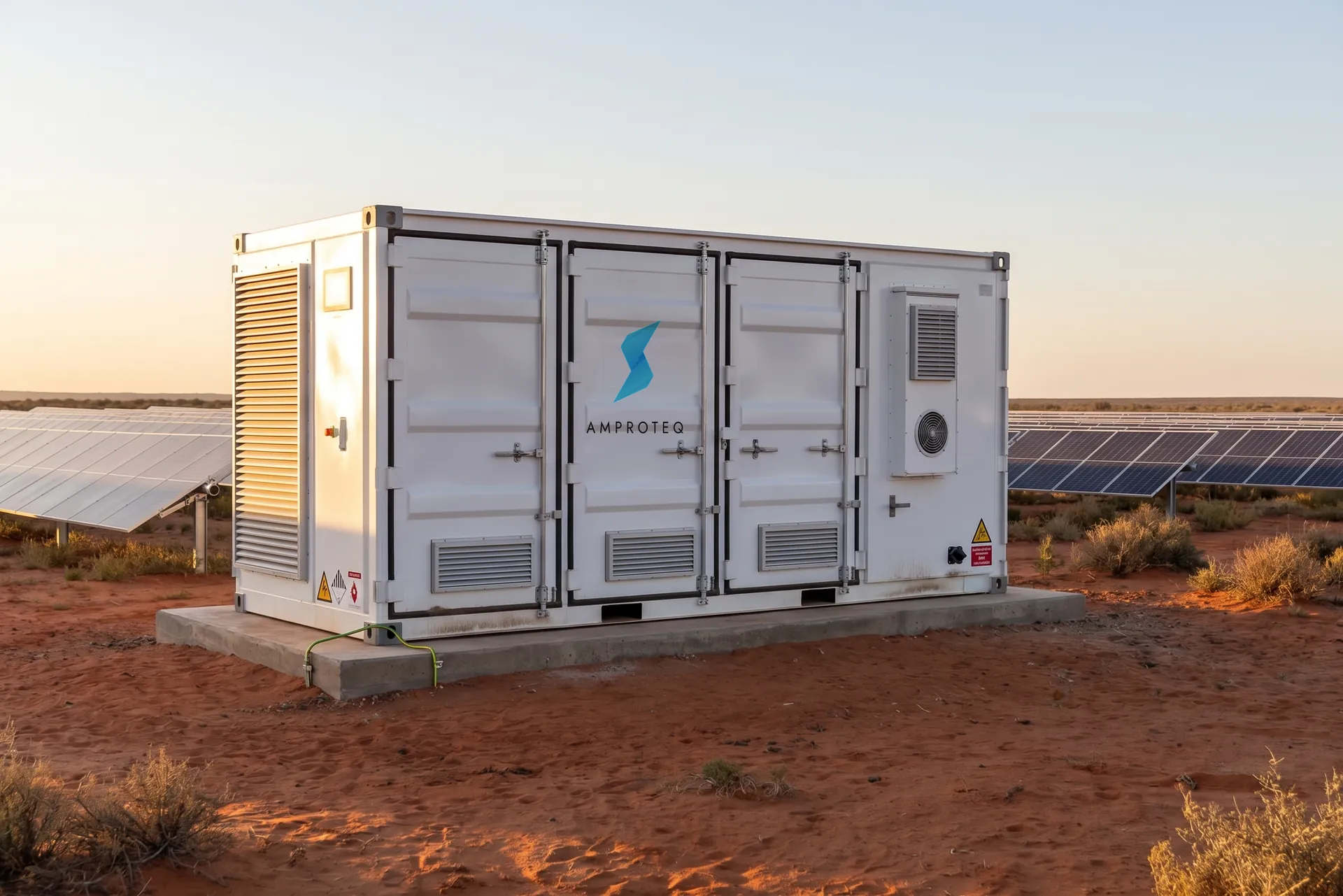 Solar self-consumptionStore surplus solar instead of exporting it at a low credit or curtailing it.Read more →
 Backup & islandingKeep critical loads running through load-shedding and network faults.Read more →
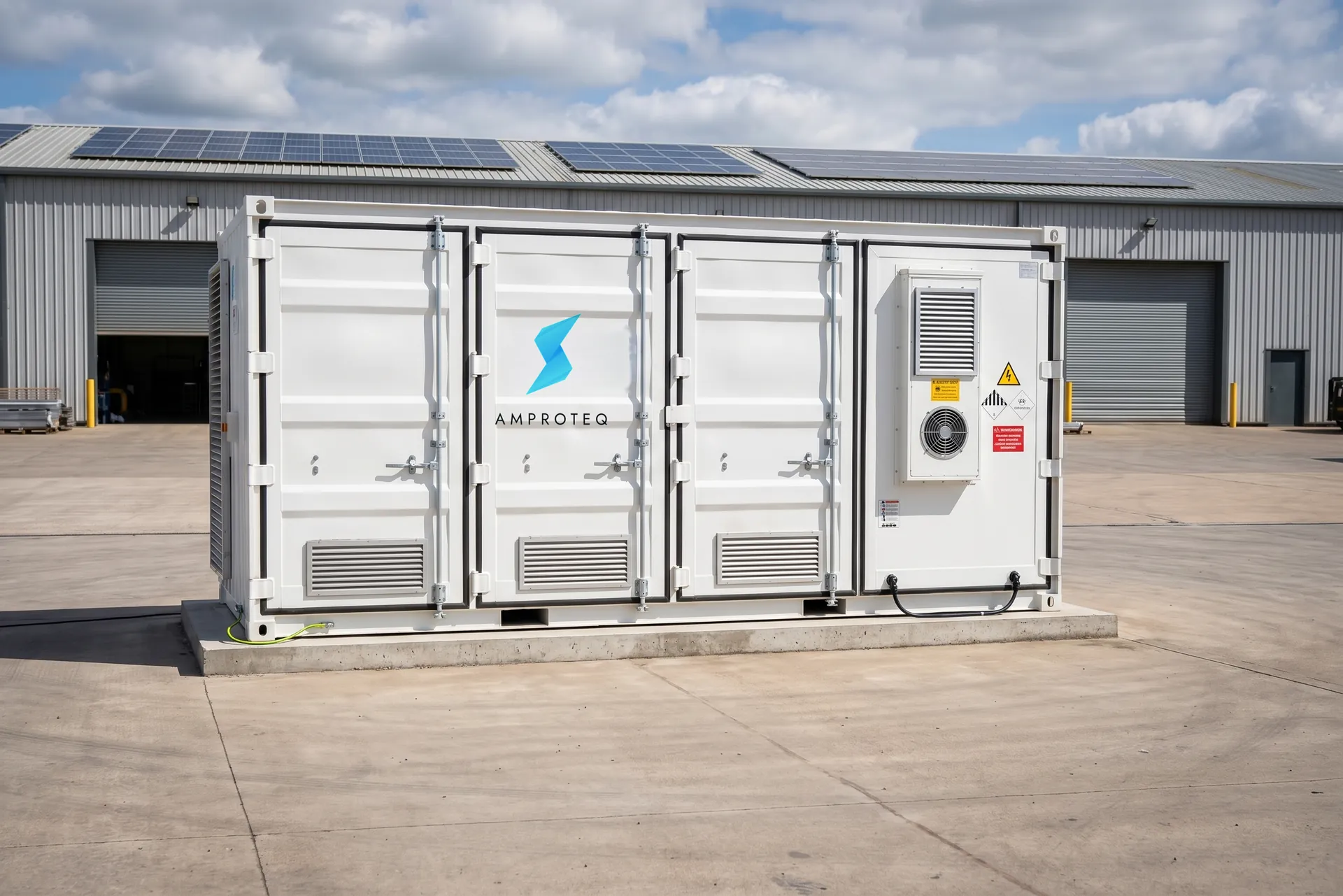 NMD reductionUse battery storage to hold demand under your notified maximum demand, avoid excess-demand charges and lower NMD at renewal on large-power-user tariffs..Read more →
Twelve months of interval data, your tariff schedule and your notified maximum demand are enough for a first sizing, an indicative capex and a PPA rate, within five working days, at no cost.