Tariff
Two expensive windows a day
In the high-demand season (June to August) the weekday peaks run 06:00–08:00 and 17:00–20:00; for the rest of the year 07:00–09:00 and 18:00–21:00 (Eskom Megaflex and Miniflex, 2026/27).
 AMPROTEQ
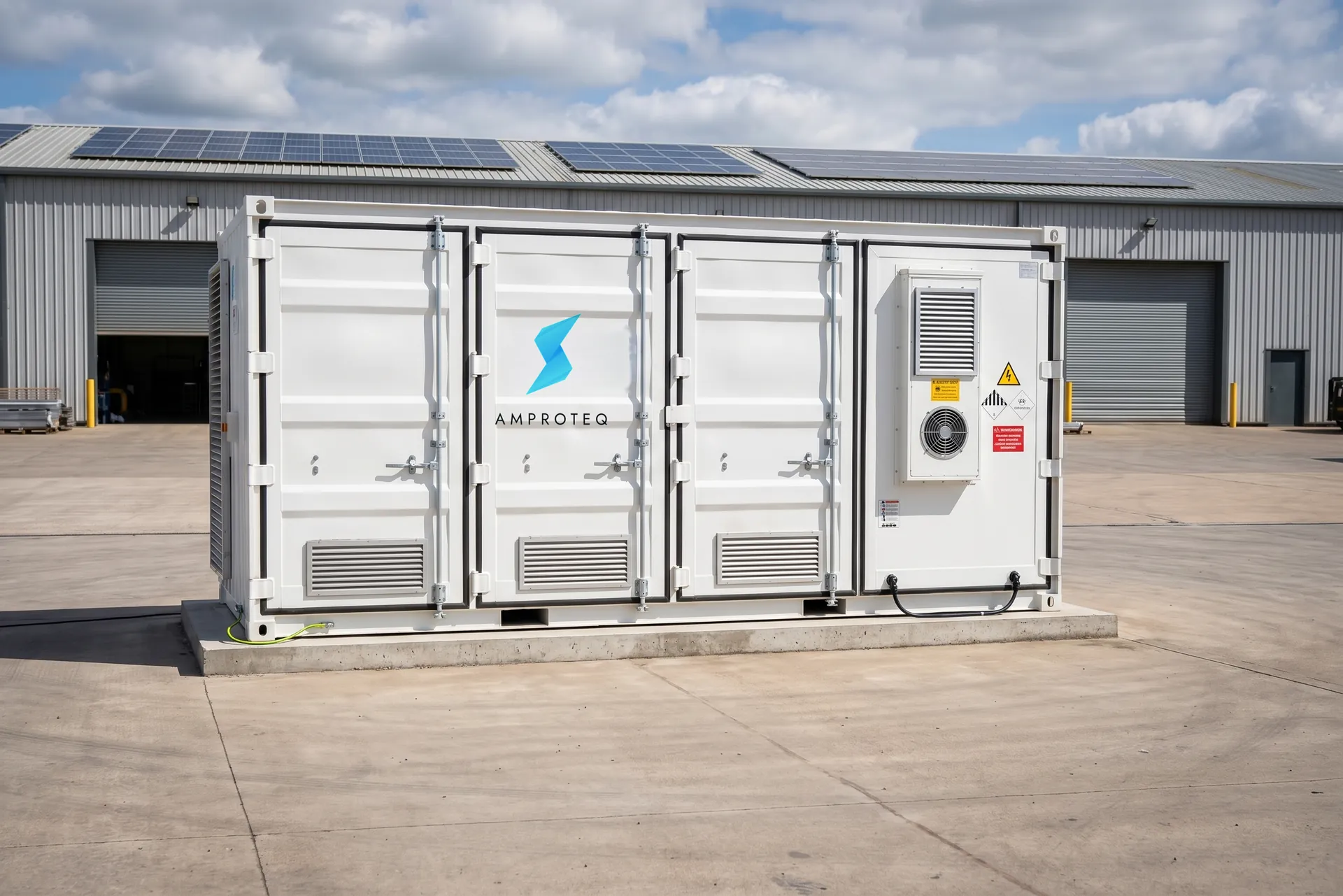
For a factory, electricity is both a cost line and a production risk. Storage lowers the first and removes much of the second, and pairs naturally with the solar array on the roof.
In the high-demand season (June to August) the weekday peaks run 06:00–08:00 and 17:00–20:00; for the rest of the year 07:00–09:00 and 18:00–21:00 (Eskom Megaflex and Miniflex, 2026/27).
A shift change or a start-up after an outage can set the monthly demand charge on its own.
Poor power factor attracts reactive-energy charges, and a short interruption can scrap a batch.
| Systems | A200 to A400, or A100 blocks in 1 MWh steps |
| Connection | 400 V for integrated units, or MV through a skid |
| Duration | 2 hours for peak shifting; 4 hours where the evening peak is long |
| Pairs with | Rooftop or ground-mount PV, existing gensets |
| Commercial model | Purchase with bank finance, PPA, or hybrid with an owned solar array |
Every configuration is sized from the site's own interval data and tariff; this is a starting point, not a quote.
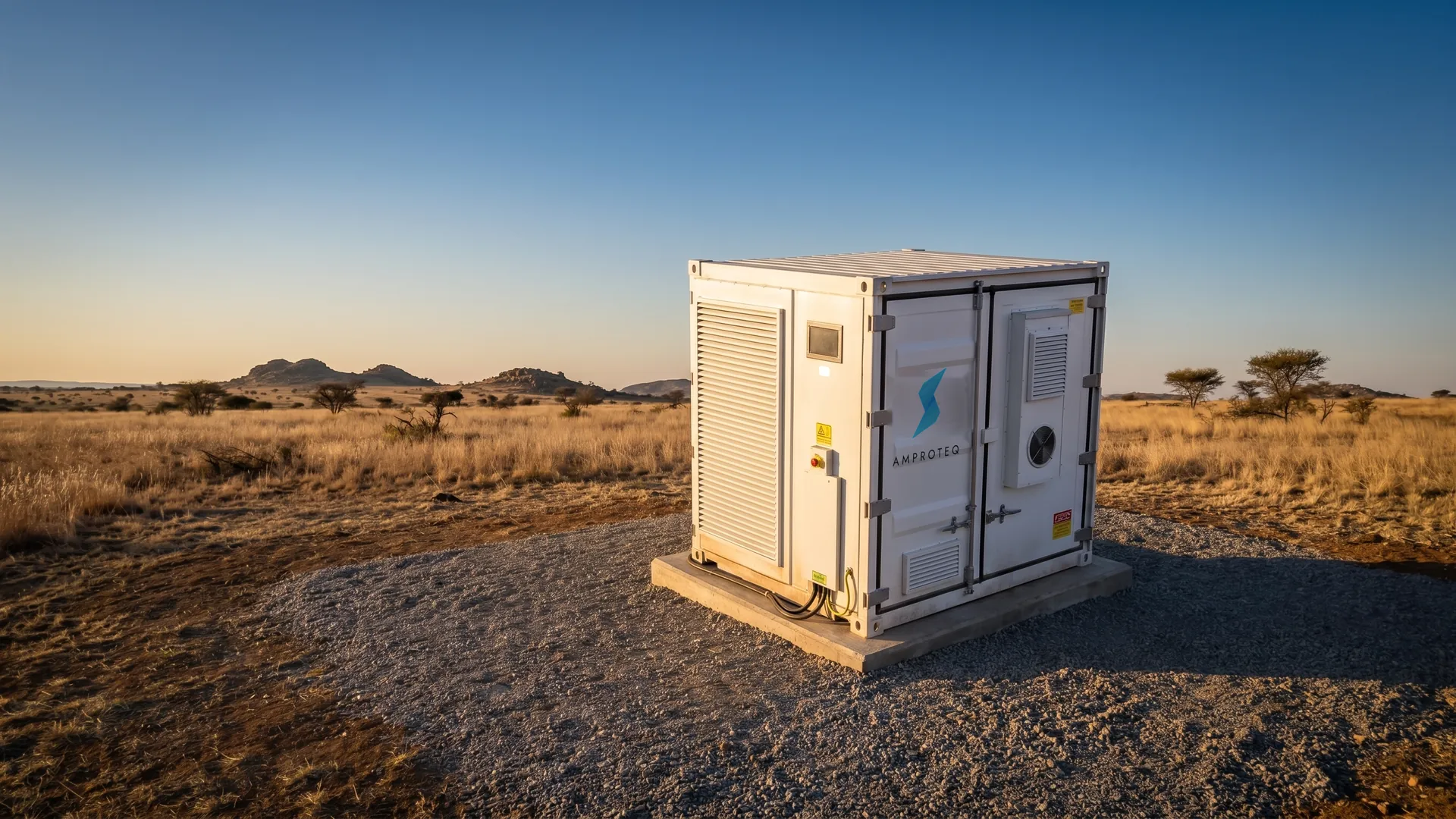 Peak shiftingShift load out of Eskom Megaflex and Miniflex peak windows.Read more →NMD reductionUse battery storage to hold demand under your notified maximum demand, avoid excess-demand charges and lower NMD at renewal on large-power-user tariffs..Read more →
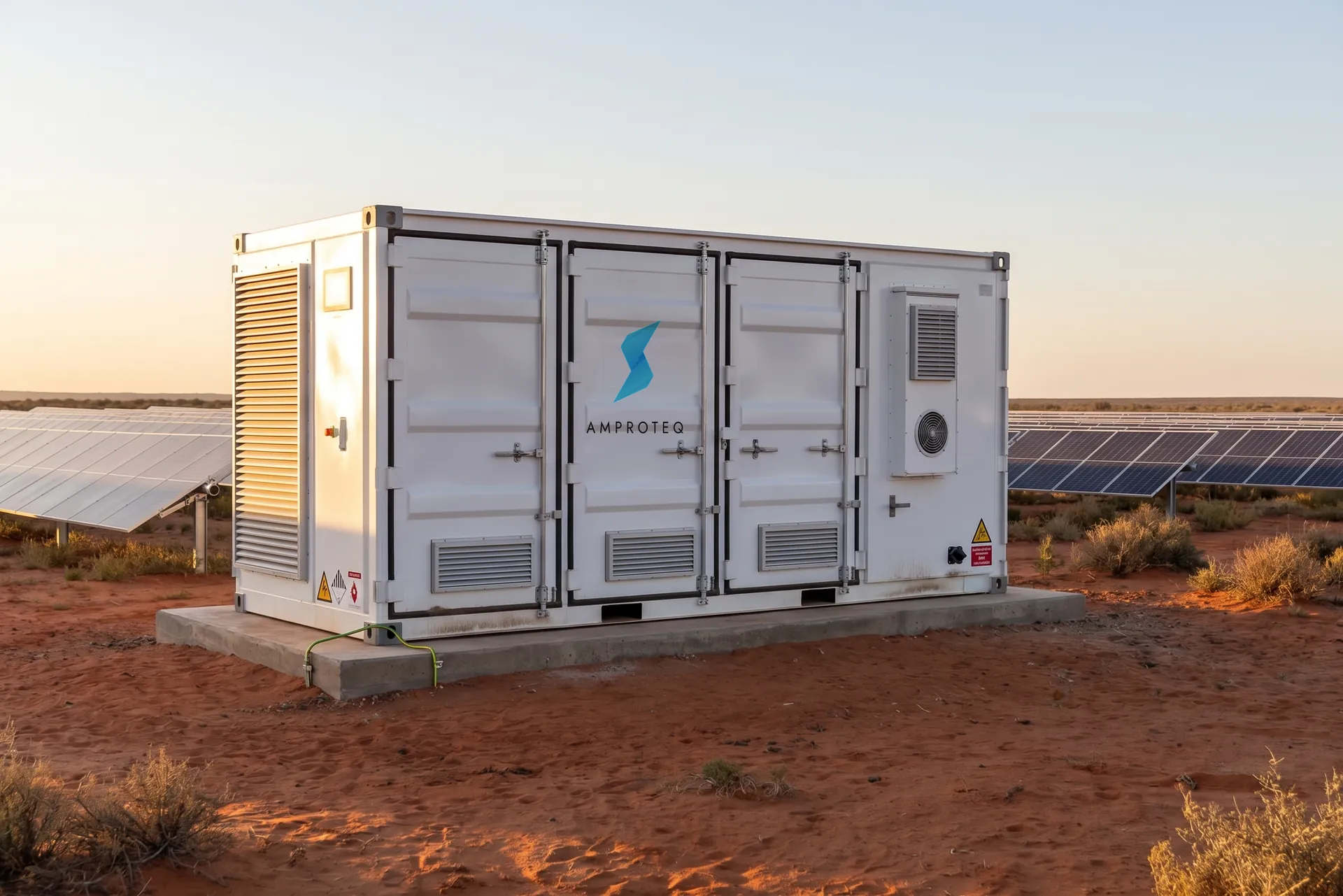 Solar self-consumptionStore surplus solar instead of exporting it at a low credit or curtailing it.Read more →
Twelve months of interval data, your tariff schedule and your notified maximum demand are enough for a first sizing, an indicative capex and a PPA rate, within five working days, at no cost.